Exploring the Art and Tradition of Chinese Kites: Designs, History, and Kite Flying Tips
Chinese kites are more than just playful objects that soar in the sky; they are intricately woven pieces of art that carry with them thousands of years of history and culture. The evolution of Chinese kites is a story that transcends mere aerodynamics and enters the realms of folklore, artistry, and innovation. Have you ever wondered how such delicate pieces came to be, or what stories they hold within their colorful fabrics and intricate designs? Let's embark on a historical journey to uncover the essence of these fascinating kites and their evolution from ancient times to the modern era.
The origins of Chinese kites can be traced back to around 2,000 years ago during the Han Dynasty. Early kites, often made from simple materials like silk and bamboo, were initially used for military purposes such as measuring distances, signaling, and even testing the wind. As the centuries passed, what started as a utilitarian object evolved into a celebrated form of art and recreation. Kite enthusiasts began to imbue kites with rich cultural symbolism, incorporating motifs such as dragons, phoenixes, and other mythical creatures to not only embellish but also to deepen the cultural resonance. The traditional Chinese kite, whether it be a fierce dragon or a graceful phoenix, is much more than a toy—it's a symbol of profound significance rooted in Chinese culture.
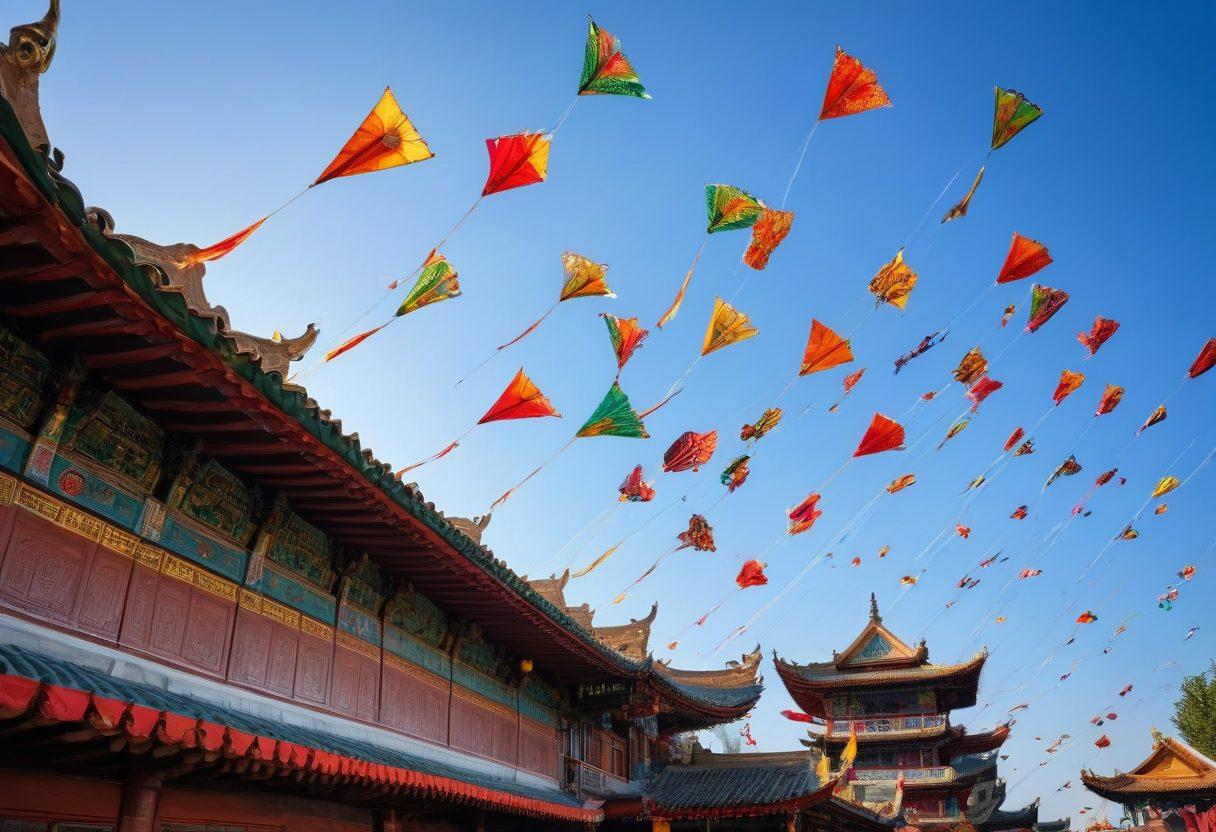
Handmade kites in China are an embodiment of exceptional craftsmanship. Artisans spend countless hours meticulously crafting these decorative kites, paying close attention to every minute detail—a true testament to the dedication and skill involved in the art of kite making. From the elegant curves of a Chinese dragon kite to the majestic wings of a phoenix, each unique kite showcases stunning Chinese kite designs that are both beautiful and functional. These kites are often showcased at various Chinese kite festivals, where the sky is filled with bursts of color and intricate patterns, creating a spectacle that is as mesmerizing as it is joyous. These festivals are an opportunity for kite builders to exhibit their masterpieces and for communities to come together in celebration of this age-old tradition.
The journey of Chinese kites has significantly influenced various forms of Chinese art and culture. Oriental kites often serve as canvases for artists, who decorate them with elaborate scenes from folklore, historical epics, and nature. Artistic kites with sophisticated designs and vibrant patterns have become cherished collectibles and are sometimes even displayed in art galleries. These kites not only highlight the talents of their creators but also showcase the rich cultural stories and values they embody. Kite crafting, thus, becomes an act of preserving heritage, passing down ancient skills and stories from one generation to the next.
For those who are captivated by the allure of these oriental kites, kite flying tips are essential to fully appreciate and enjoy this cultural pursuit. When flying a traditional Chinese kite, it's important to choose an open space away from any obstructions and ensure the wind conditions are just right—not too strong, yet robust enough to keep the kite aloft. Custom kites designed specifically for varying wind conditions can greatly enhance the experience, allowing even novice flyers to relish the joy of seeing their kite dance gracefully in the sky. Whether you're a seasoned kite enthusiast or a curious beginner, the art of kite flying serves as a soothing reminder of the elegance and ingenuity encapsulated in this extraordinary tradition.
In summary, the evolution of Chinese kites from ancient Chinese kites used for pragmatic purposes to the vibrant and artistic kites of today is a testament to the rich history and innovation that define Chinese culture kites. Whether you're intrigued by the craftsmanship behind handmade kites or the stunning visuals presented by Chinese art kites at festivals, exploring this tradition offers a unique glimpse into the heart of Chinese heritage. Through their designs, history, and the joy they bring in flight, Chinese kites continue to enchant and inspire, making them a timeless testament to the ingenuity and creativity that shapes our skies.
Mastering the Skies: Tips and Techniques for Flying Traditional Chinese Kites
Flying a traditional Chinese kite is like holding a piece of the sky tethered to centuries of culture and artistry. These handmade kites aren’t just whimsical toys but intricate works of Chinese art kites that hold a deep and storied history. For those who want to elevate their kite flying skills and grasp the techniques that can keep these ancient Chinese kites soaring high, mastering the sky is both an art and a science. How do kite enthusiasts manage to get these delicate creations to stay in the air gracefully?
The first rule in mastering the skies is understanding your Chinese kite designs. From the elegant Chinese dragon kites to the majestic Chinese phoenix kites, each design has its own characteristics and flight dynamics. The materials used, the weight distribution, and the shape can all affect how a kite flies. Traditional kites, particularly custom kites made by skilled kite builders, are often finely balanced and designed to handle varying wind conditions. Knowing these details helps in choosing the right kite for a smooth flying experience.
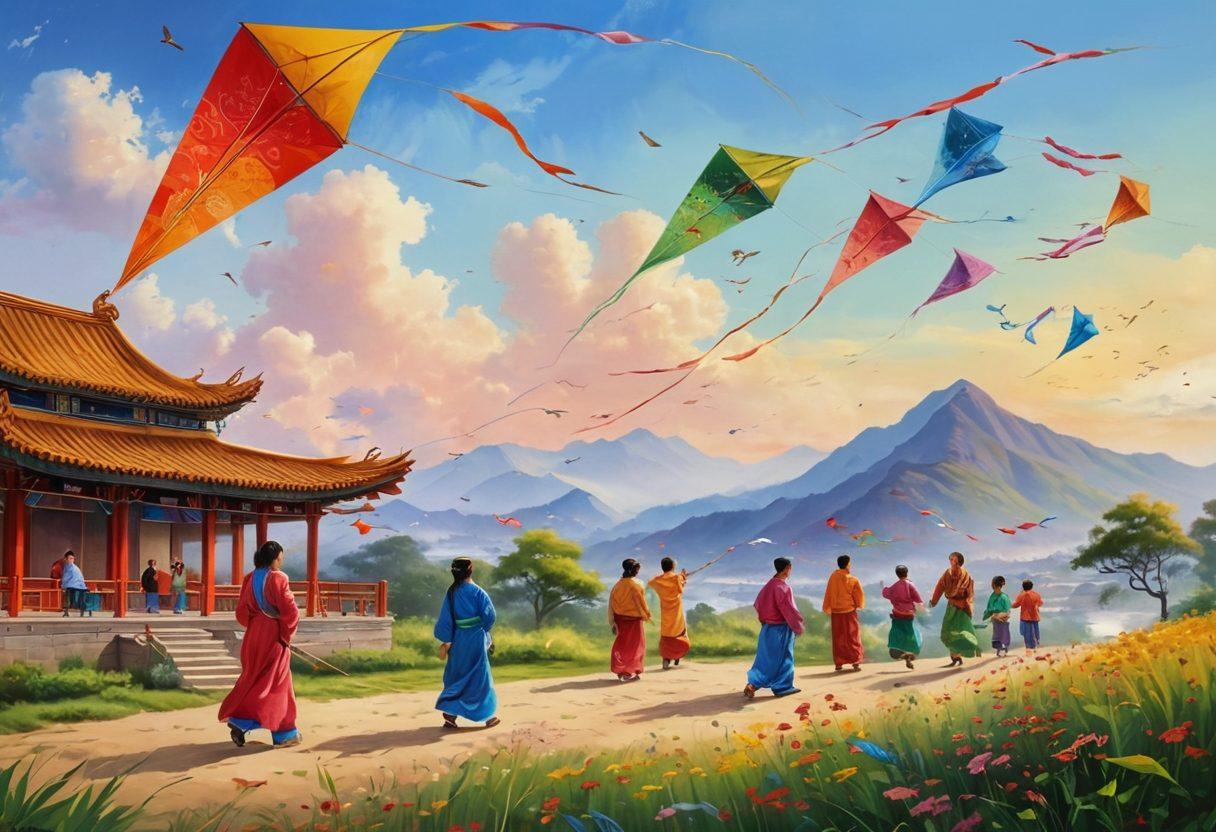
Secondly, it’s all about the location. Finding the perfect spot free of obstructions and with consistent wind flow is crucial. Open fields, beaches, or hilltops are ideal for flying Chinese kites. Kite flying is often a highlight of Chinese kite festivals, which usually take place in such wide-open spaces, allowing the colorful and decorative kites to paint the sky. Imagine setting up your kite on a breezy hill, ready to see your handmade kite take flight amidst the awe-inspired gazes of onlookers.
Launching the kite correctly is another critical step. Stand with your back to the wind, as it will help push the kite upwards. Holding the frame steady, gently release the kite and allow the wind to catch under the kite’s surface. For unique kites like the ones featuring intricate Chinese phoenix patterns, ensuring a smooth launch can be particularly challenging but equally rewarding. Patience and practice are key—don’t be surprised if it takes a few tries to get it right.
Finally, the art of kite flying is in the details. Keeping your kite in the air involves subtle movements and constant adjustment of the string tension. When flying ancient Chinese kites, pay attention to how they respond to the changing winds and learn to adjust your techniques accordingly. Joining a community of kite enthusiasts or attending workshops at kite crafting events can provide valuable insights and tips. Flying traditional Chinese kites is as much about connecting with cultural history as it is about enjoying a relaxing, yet exhilarating pastime. Ready to embrace the sky and the rich tapestry of Chinese culture through this time-honored tradition?
From Festivals to Crafting: The Integral Role of Kites in Chinese Culture
The exhilarating world of Chinese kites is steeped in centuries of tradition and artistry, taking form in picturesque skies and vibrant festivals. Whether you're a seasoned kite enthusiast or just an admirer of their breathtaking beauty, understanding the integral role of kites in Chinese culture is a journey worth embarking on. Imagine a festival scene with thousands of kites darting through the air, each one a testament to the craftsmanship and heritage of Chinese kite making. How did these airborne wonders come to be such a fundamental part of Chinese culture?
Chinese kites have a rich history that dates back over 2,000 years. These traditional kites were not just child's play; they played crucial roles in military communication and even in religious ceremonies. The fascinating lore behind ancient Chinese kites reveals their versatile and often mystical purposes. For instance, did you know kite flying was once believed to ward off bad luck? Such tradition and symbolism make China's approach to kite flying deeply enchanting, expanding its roots beyond mere amusement.
From dragon kites to phoenix kites, Chinese kite designs are as varied and imaginative as the legends they embody. These artistic kites often feature elaborate designs like painted landscapes, mythological creatures, and symbolic patterns that can take weeks or even months to create. Chinese dragon kites, with their sinuous shapes and vibrant colors, are particularly iconic, inspiring awe with their majestic presence. Whether handmade by skilled kite builders or crafted by local artisans during Chinese kite festivals, each kite tells a story, blending art with the spirit of the wind.
Kite crafting in China is an art form that persists through generations, marrying ancient techniques with modern flair. From selecting the right materials to understanding aerodynamic principles, creating these unique kites involves meticulous attention to detail. Kite makers often pass down their skills orally, ensuring the survival of traditional Chinese kites in an ever-changing world. Festival kites, especially those flown during the Qingming Festival or the Double Ninth Festival, serve as a beautiful reminder of how deeply ingrained kites are in Chinese cultural heritage. Intriguing, isn't it?
For those eager to try kite flying, you’ll find there's more to it than meets the eye. Understanding wind patterns, choosing the right environment, and mastering the balance are essential kite flying tips. Whether you're flying Chinese phoenix kites or immersing yourself in the vibrant chaos of a kite festival, take a moment to appreciate the artistry and history behind each glide and swoop. These kites aren't just decorative ornaments but are soaring pieces of history and culture, capturing the imagination of all who look to the skies. Ready to get your own custom kites up in the air?